Walk into any gym or scroll any wellness app in early 2026 and you’ll see the same thing: people talking about GLP-1 receptor agonists — prescription weight loss injections that have taken over the fitness world.
They’re not wrong to be interested. These medications, originally developed for type 2 diabetes, have helped many people lose significant weight. But here’s the thing nobody talks about enough: what happens when you stop taking them?
The research is still emerging, but early data is consistent — a lot of people regain weight once they come off the medication. That’s not a moral failing. It’s biology. The drugs change appetite signals, and when those signals come back online, old habits often return with them.
So before you go down the injection route — or if you’re already on it and want to stack some real habits underneath — here’s a gentler, more durable approach.
Start With One Thing Tomorrow Morning
Don’t try to change everything at once. That’s how people end up where they started by March.
Instead, pick one thing from this list and do it tomorrow. Just one.
- Drink a full glass of water before breakfast
- Add a serving of protein to your morning meal
- Go for a 20-minute walk after lunch
That’s it. Once that feels normal — give it a week — add one more. Slow is fast when it actually sticks.

The Science Behind What Works (That Isn’t a Shot)
You don’t need medication to lose weight, but you also don’t need to suffer. Here’s what the research actually supports:
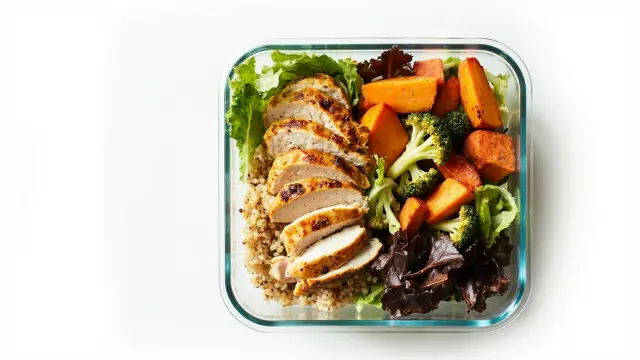
Protein first. At every meal, think protein first. Eggs, Greek yogurt, chicken, fish, beans. Protein keeps you full, preserves muscle, and takes more energy to digest than carbs or fat. It’s the most underused weight loss tool sitting in your refrigerator right now.
Fiber is your friend. Most Americans get about half the recommended fiber. One extra serving of vegetables or whole grains at dinner — that’s it. Fiber slows digestion, steadies blood sugar, and makes you feel satisfied instead of searching the pantry an hour after eating.
Move in a way you actually enjoy. Nobody needs to become a runner. A 30-minute walk after dinner is one of the most underrated fat-burning activities. Low intensity, high consistency.
Sleep and stress matter more than people admit. Cortisol — the stress hormone — directly promotes fat storage around the midsection. If you’re running on four hours of sleep and chronic anxiety, no diet plan is going to save you. Prioritize rest as much as what you eat.
The Truth About Calorie Deficits
Here’s what a calorie deficit actually means: you’re eating slightly less than your body burns. Not dramatically less. Not starving. Slightly less. A sustainable deficit is 300–500 calories below maintenance — you should feel a little less full after meals, but not deprived.
Crash diets promise faster results. They deliver muscle loss, slowed metabolism, and usually a regain of everything plus extra within a year. Gentle and consistent beats dramatic and temporary, every single time.
A Note Before You Start
If you have a diagnosed medical condition, are on medication, or have significant weight to lose, please talk to your doctor before making major changes. This is general lifestyle information, not a medical plan. Individual needs vary.
And if you’re considering weight loss medication — have that conversation with your physician too. There’s no shame in needing help. Just go in with your eyes open about what happens after.